


Upratnas · gem of Shani, Saturn
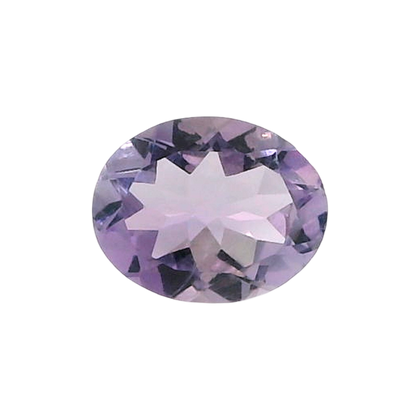
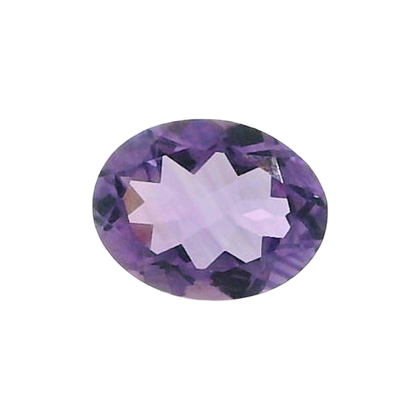
AmethystJamunia
Welcome to the World of Amethyst (Jamunia) Where stillness becomes clarity. In its quiet violet, the mind slows, and thought begins to settle. जमुनिया — शांत संतुलन यह चमकता नहीं, मन को ठहराव देता है। → Certified Natural Amethyst → 100% Treatment Disclosure → No Glass Filling or Artificial Colouring
- Lab certifiedITLGR · IGITL · GFCO.ch · IIGJ · AGR · IGI · IGTLJ · LOTUS
- Treatment disclosedon every gem
- 10-day returnson loose gems




Not sure which amethyst is right for you?
Send your prescription or birth details and our gemologist will shortlist 2–3 pieces for you.


About Amethyst (Jamunia)
Where stillness becomes clarity.
In its quiet violet, the mind slows, and thought begins to settle.
जमुनिया — शांत संतुलन
यह चमकता नहीं, मन को ठहराव देता है।
About
Planet: ♄ Shani (Saturn)
Governs: Discipline, patience, responsibility, mental order, and long-term structure
Amethyst is a gemstone associated with Saturn (Shani), the planet of discipline, structure, and endurance. While not a primary Saturn gemstone like Blue Sapphire, Jamunia is often considered a gentler alternative that introduces Saturn's qualities in a more balanced and accessible way.
Unlike Blue Sapphire, which brings intensity and rapid transformation, Amethyst works with calm consistency. It helps quiet mental noise, reduce overthinking, and support sustained focus without creating pressure or overwhelm. Its effect is gradual, steady, and easier to integrate into daily life.
Amethyst aligns with Saturn's energy to promote discipline, clarity, and emotional balance. It encourages structured thinking, improves concentration, and supports the development of consistent habits and routines.
It is particularly suited for students, professionals, creatives, and individuals engaged in meditation or reflective practices. It may be considered during Shani Mahadasha or Antardasha when Blue Sapphire feels too intense, or when issues like anxiety, mental fatigue, or lack of focus become persistent.
⚠️ Important: Gemstone selection should always be guided by individual horoscope analysis and expert advice. Amethyst is gentle in its influence, but it remains a Saturn-linked stone and should be worn with proper consideration.
Who should wear
Amethyst is often chosen by those seeking calm focus, emotional balance, and steadier thinking without the intensity of stronger Saturn gemstones. Its energy feels grounding, composed, and quietly supportive.
Often Suited For
- Individuals struggling with overthinking or mental fatigue
- Those seeking better focus, discipline, and emotional steadiness
- People navigating stressful or emotionally draining phases
- Individuals sensitive to stronger Saturn stones like Blue Sapphire
- Anyone wanting calmer clarity and more balanced decision-making
Benefits
Benefits of Amethyst
Saturn at its most composed is not harsh — it is steady, ordered, and quietly effective. Amethyst reflects that quality.
Mental Calm — Reduces overthinking and the mental noise that makes sustained focus difficult
Focus & Discipline — Supports consistent, ordered thinking without the pressure of a stronger stone
Emotional Balance — Brings a settled, grounded quality to emotional sensitivity and fatigue
Gentle Saturn Support — Offers Saturn's stabilising influence in a form accessible to those for whom Blue Sapphire is unsuitable
Clarity Without Pressure — Brings clearness to perception and decision-making at a pace that feels natural rather than forced
Pricing & origins
Pricing & Origins
Amethyst's value is shaped by the depth and evenness of its purple, clarity, and cut quality. It is one of the more accessible gemstones in the collection, but the range in quality is wide — and the difference between a well-selected stone and a pale, poorly cut one is significant both visually and in terms of astrological use.
Brazilian Amethyst runs from soft lavender to deep violet — good clarity, widely available, and one of the most familiar sources globally. Price ranges from ₹600 to ₹10,000+ per carat.
African Amethyst (Zambia, Madagascar, Namibia) tends toward deeper, richer purple with stronger saturation and a cleaner, more commanding look. Price ranges from ₹800 to ₹15,000+ per carat.
For Saturn-related astrological use, clarity and colour stability matter more than origin alone. Choose the stone, not the label — a well-saturated Brazilian Amethyst will serve better than a pale African one, and vice versa. Colour should be rich and even, neither too pale to carry presence nor so dark it turns flat and muddy.
Best metal: Silver and white metals are commonly preferred and suit the stone's aesthetic particularly well. Gold may also be used.
Buyer awareness
A good Amethyst should feel composed, never flashy. The qualities that make it valuable are the same qualities it is worn to cultivate — calm depth, even clarity, and a presence that does not need to announce itself.
Colour is the most important factor. Look for a rich, even purple in the range from soft violet to deep royal — balanced saturation that feels alive without being aggressive. Too pale and the stone lacks presence; too dark or muddy and it turns flat. Gentle natural colour zoning is acceptable and expected. Harsh banding or patchy, uneven colour lowers quality and value.
Clarity in Amethyst is generally good — most natural stones are eye-clean, with smooth light flow and good transparency. Visible cracks, cloudy patches, or dull areas are signs of poor quality.
Cut matters more than it is sometimes given credit for. Even facets, good symmetry, and a cut that enhances the depth of the purple — oval, cushion, round, and emerald cuts all work well. Poor cutting dulls the colour regardless of how good the rough was.
On treatments: Most natural Amethyst is untreated — this is one of the cleaner categories in the gemstone market. The primary thing to be aware of is heat treatment, which can turn Amethyst yellow and lead to its being sold as Citrine. Always confirm the stone is natural quartz and that no treatment has been applied or concealed.
All our Amethyst is selected for natural colour and clarity — no artificial dyeing, no misrepresentation, fully disclosed and quality-checked.
How to verify authenticity: Request a third-party certificate confirming natural Amethyst (Quartz), with clear treatment disclosure. For a stone at this price point it is a straightforward ask — any reputable seller should provide it without hesitation.
Why is some Amethyst very cheap? Pale or low-grade colour, poor cutting, or imitation and misrepresented material. The price range for Amethyst is wide, and the lower end of that range reflects quality that is unlikely to serve astrological purposes well. Choose presence and clarity over carat weight or price.
Care guide
Care & Treatment
Amethyst is durable at Mohs 7 and straightforward to maintain. Its primary vulnerability is prolonged heat and strong direct sunlight, which can gradually lighten the colour over time — the single most important thing to protect against.
Do: Wipe with a soft cloth after wear. Clean occasionally with mild soap and lukewarm water, then dry immediately. Store separately in a padded box. Check settings regularly.
Avoid: Harsh chemicals, perfumes, and detergents. Ultrasonic or steam cleaning. Prolonged heat or extended direct sunlight. Remove before gym sessions or heavy activity. Keep away from harder stones in storage.
On colour stability: Natural Amethyst is colour-stable under ordinary wear and indoor conditions. It is sustained exposure to heat — not normal daily use — that poses a risk. Stored and worn with basic care, it holds its colour reliably.