


Upratnas · gem of Budh, Mercury
Tourmaline
Welcome to the World of Tourmaline Where colour follows emotion. In its shifting hues, balance settles, and the mind finds ease. टूरमलीन — भावों का संतुलन यह एक रंग नहीं, मन के स्वरों का विस्तार है। Certified Natural Tourmaline 100% Treatment Disclosure Natural Colour, No Artificial Enhancement
- Lab certifiedITLGR · IGITL · GFCO.ch · IIGJ · AGR · IGI · IGTLJ · LOTUS
- Treatment disclosedon every gem
- 10-day returnson loose gems
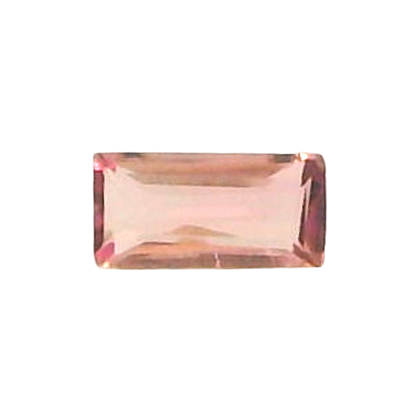
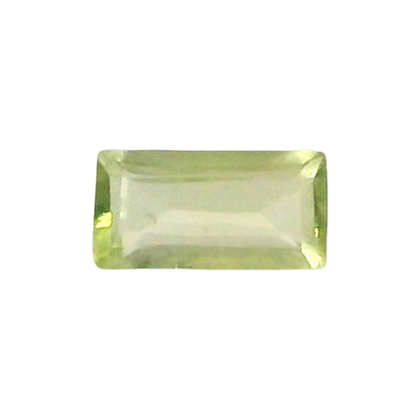
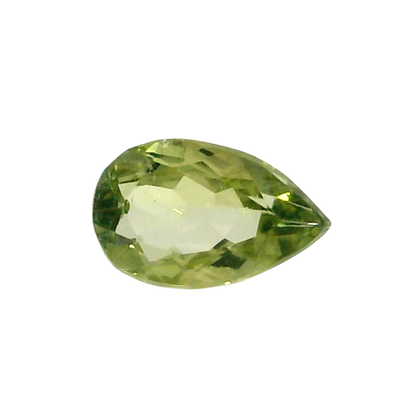
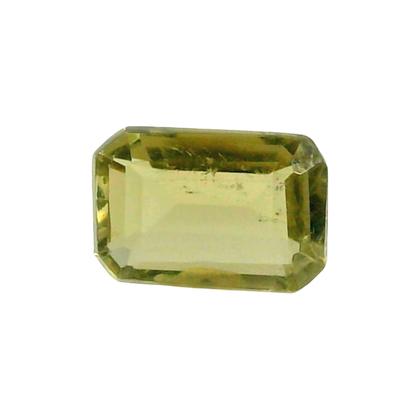
Not sure which tourmaline is right for you?
Send your prescription or birth details and our gemologist will shortlist 2–3 pieces for you.
About Tourmaline
Where colour follows emotion.
In its shifting hues, balance settles, and the mind finds ease.
टूरमलीन — भावों का संतुलन
यह एक रंग नहीं, मन के स्वरों का विस्तार है।
About
Governs: Balance · Grounding · Emotional Flow · Natural Expression
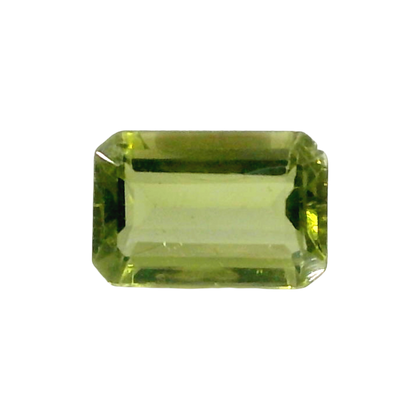
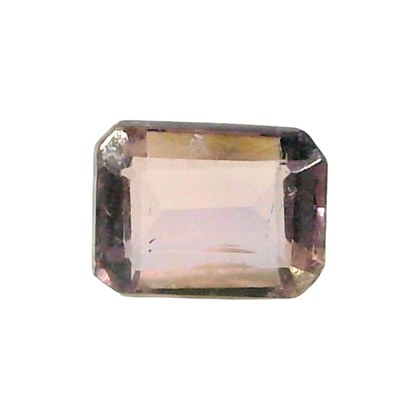
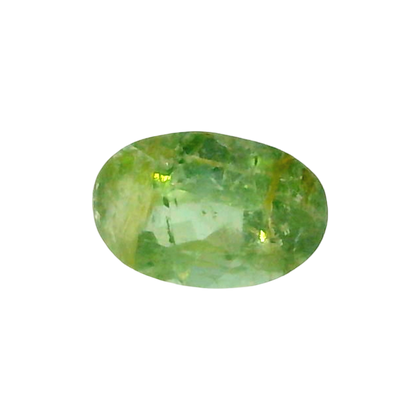
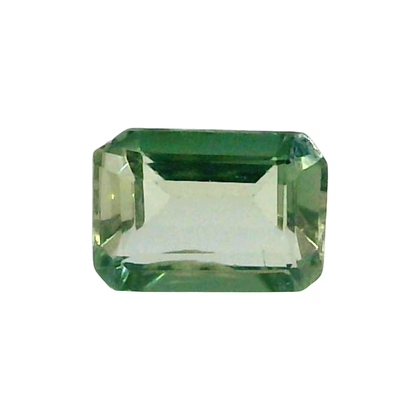
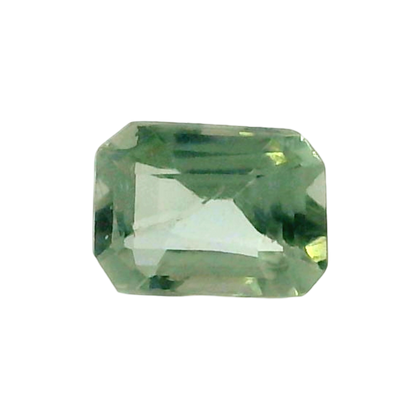
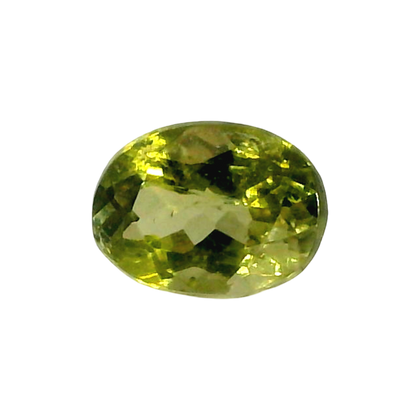
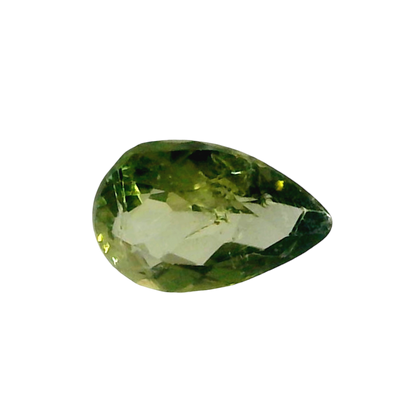
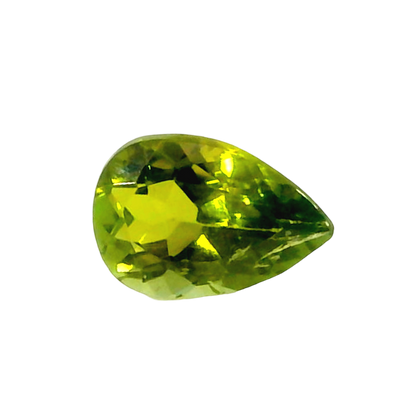
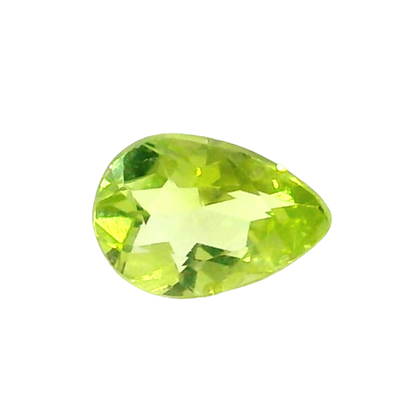
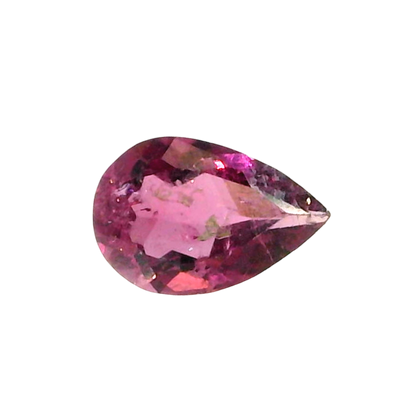
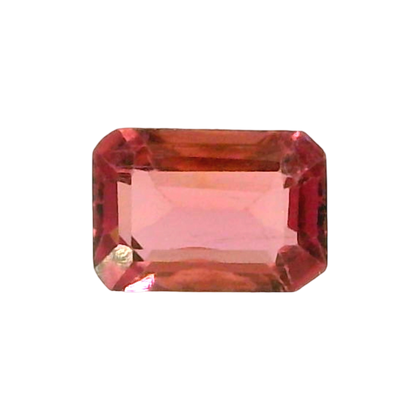
Tourmaline is admired for its extraordinary range of natural colours — from calming greens and soft pinks to deep blues and multicolour formations within a single crystal.
Unlike gemstones chosen for intensity, Tourmaline is worn for balance and emotional ease. Its energy feels grounding, adaptive, and quietly supportive rather than overpowering.
What It Supports
- Emotional balance
- Grounding and steadiness
- Calmer thinking
- Gentler emotional flow
- Clarity during stress or overwhelm
Tourmaline does not impose itself.
It responds.
Many colours. One natural expression.
Who should wear
Tourmaline is a gemstone of balance, grounding, and emotional alignment — suited to those who seek calm clarity without intensity, and inner steadiness without the weight of a primary planetary stone.
It may be considered when emotional sensitivity or overstimulation has become persistent, when you are moving through a period of change or transition and need grounding rather than amplification, when you seek the calm focus that comes from feeling centred rather than driven, or when meditation, healing work, or inner practice is a meaningful part of daily life. It is a considered choice for those who need the qualities of a stronger Venus or Jupiter stone — grace, wisdom, emotional balance — in a form that does not overwhelm.
Benefits
Benefits of Tourmaline
Tourmaline works gently, adapting to the wearer rather than imposing a fixed direction. Its influence is cumulative and quietly felt — less a shift than a settling.
Emotional Balance — Steadies moods and supports the emotional regulation that sensitivity and overstimulation can undermine
Gentle Grounding — Brings a calm, rooted quality without the heaviness that stronger stones can sometimes carry
Mental Clarity — Reduces mental scattering and supports the focused, composed thinking that stress tends to disrupt
Stress Relief — Eases the accumulated tension of demanding environments without forcing a particular response
Quiet Resilience — Builds the inner steadiness that allows recovery from emotional and energetic depletion
Inner Alignment — Encourages a return to one's own centre — more balanced, more grounded, more clear
Colour-Based Guidance -
Tourmaline is one of the few gemstones where colour meaningfully shapes the experience — and where the choice of colour can guide toward a specific quality of support.
Green Tourmaline carries a softer, more accessible energy than Emerald — chosen when Mercury's qualities of clarity and calm thinking are needed without the full intensity of a primary planetary stone.
Red Tourmaline (Rubellite) offers a more tolerant alternative to Ruby — warmth, vitality, and quiet confidence without the force that a Sun stone carries.
Blue Tourmaline (Indicolite) is rare, thoughtful, and quietly intense — chosen for depth, truthful expression, and the kind of inward clarity that contemplative temperaments seek.
Bi-colour / Watermelon Tourmaline is chosen for its unique quality of holding contrast in harmony — the meeting of opposites within a single stone, prized for individuality as much as beauty.
In all cases: chosen when balance and tolerance matter more than intensity.
Pricing & origins
Pricing & Origins
| Origin | Characteristics |
|---|---|
| Brazil | Historic benchmark source known for pink, green, blue, and bi-colour Tourmalines with exceptional diversity |
| Africa (Nigeria, Mozambique, Madagascar) | Strong colour presence with excellent value across multiple Tourmaline varieties |
| Afghanistan | Premium natural character with deep greens and fine bi-colour material |
| Mozambique | Highly respected source for fine Rubellite and vivid pink-red Tourmalines |
Buyer awareness
Colour is everything in Tourmaline. Look for pure, well-balanced colour with natural depth and life — a saturation that feels genuine rather than chemical. Stones that are too dark or muddy lose their expressiveness; those that appear neon or artificially vivid often indicate enhancement or misrepresentation. The colour should feel composed, not exaggerated.
Clarity and cut both matter significantly. Good transparency allows light to move freely through the stone and reveals the colour at its best. A cut that supports even colour flow — avoiding the dark zones and windowing that come from poor proportions — is essential. Heavy cloudiness and surface-reaching fractures are signs of poor quality.
Treatment disclosure should always be confirmed. Most Tourmaline is untreated, and any seller representing a stone as such should be able to support that claim with independent certification for higher-value pieces. Avoid artificial coatings, vague seller claims, and any stone where the colour looks too perfect or too uniform to feel natural.
On colour alternatives: If you are drawn to Tourmaline as a gentler alternative to a primary planetary stone — Green Tourmaline for Mercury, Rubellite for the Sun — be clear with yourself about the purpose. Tourmaline is a considered, respected choice in these roles, but it is not a direct substitute for the primary stone. The gentleness is both its virtue and its limit.
How to verify authenticity: Request a credible independent lab certificate confirming natural Tourmaline with treatment status clearly disclosed. For higher-value stones — fine Indicolite, Rubellite, or rare bi-colour material — certification is non-negotiable.
Why is some Tourmaline very cheap? Poor colour, dull clarity, low-grade material, or misrepresented treatment. The price range for Tourmaline is genuinely wide — but within that range, quality is clearly visible to an informed eye.
Care guide
Care & Treatment
Tourmaline is durable at Mohs 7–7.5 and suitable for regular wear when securely set and properly cared for.
Do: Clean with a soft cloth after wear. Use mild soap and lukewarm water occasionally. Store separately in a soft pouch or padded box. Check settings regularly, particularly for rings worn daily.
Avoid: Harsh chemicals, perfumes, and hairsprays. Ultrasonic or steam cleaners. Extreme heat or sudden temperature changes. Remove during gym sessions, swimming, or manual work. Keep away from harder stones in storage.
On treatments: Most Tourmaline is natural and untreated. In some cases, gentle heat treatment may be used to improve colour — this is acceptable when fully disclosed. Always confirm treatment status before purchasing, and avoid any seller who is vague about it.
With mindful care, Tourmaline retains its expressive colour and quiet harmony for years.