


Upratnas
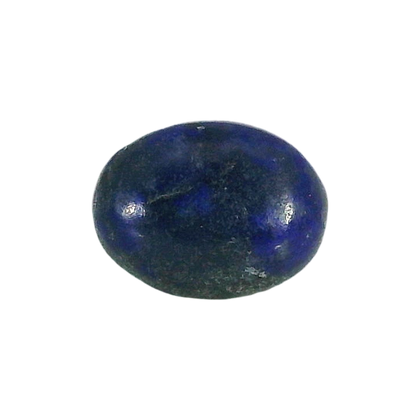
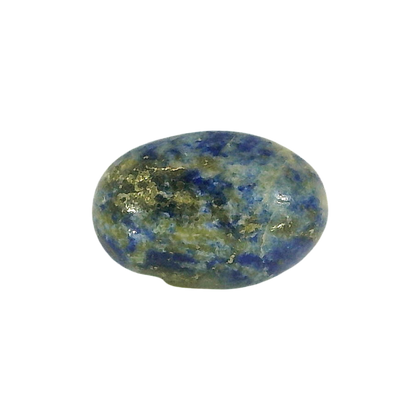
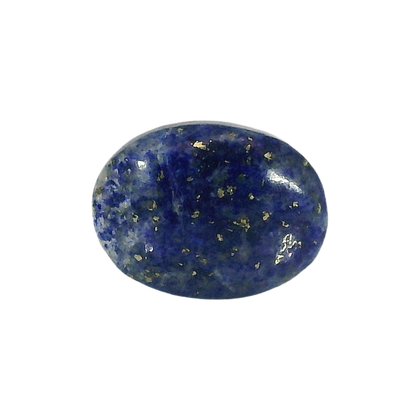
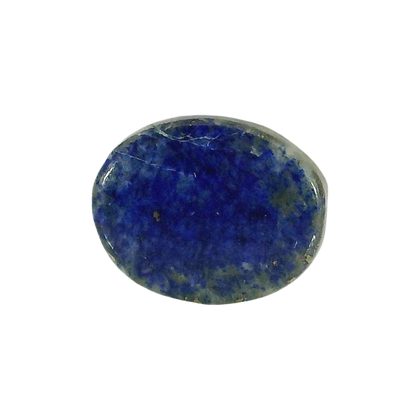
Lapis Lazuli Lajward
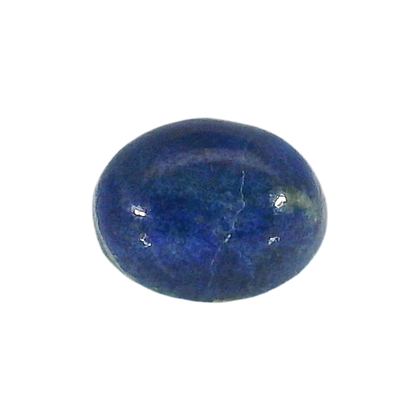
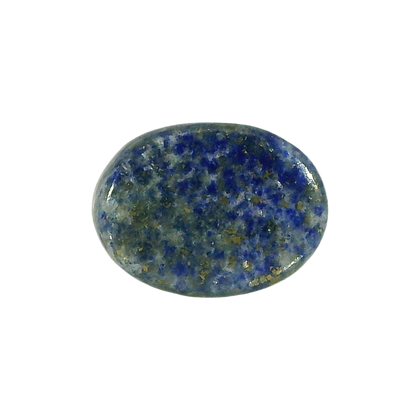
Welcome to the World of Lapis Lazuli Where blue turns inward. In its quiet depth, thought slows, and understanding begins to settle. लाजवर्द — गहराई का नील यह चमकता नहीं, मन को भीतर ले जाता है। Certified Natural Lapis Lazuli Natural Pyrite Inclusions Visible No Glass or Synthetic Imitation
- Lab certifiedITLGR · IGITL · GFCO.ch · IIGJ · AGR · IGI · IGTLJ · LOTUS
- Treatment disclosedon every gem
- 10-day returnson loose gems

Not sure which lapis lazuli is right for you?
Send your prescription or birth details and our gemologist will shortlist 2–3 pieces for you.

About Lapis Lazuli (Lajward)
Where blue turns inward.
In its quiet depth, thought slows, and understanding begins to settle.
लाजवर्द — गहराई का नील
यह चमकता नहीं, मन को भीतर ले जाता है।
About
Planet: ♄ Shani (Saturn)
Governs: Wisdom, truth, and Saturn energy
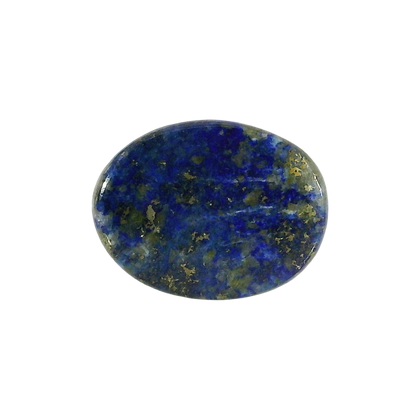
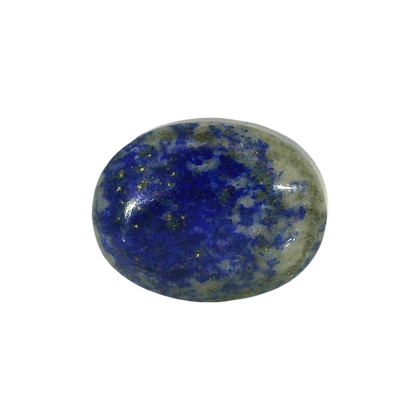
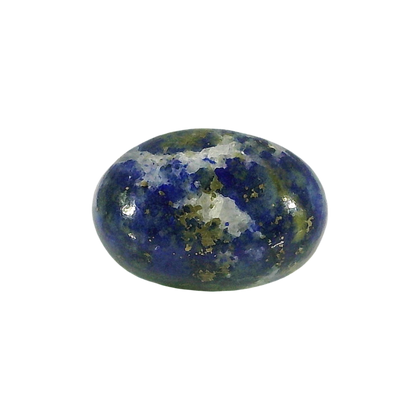
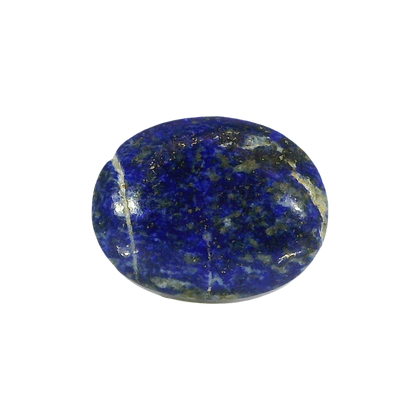
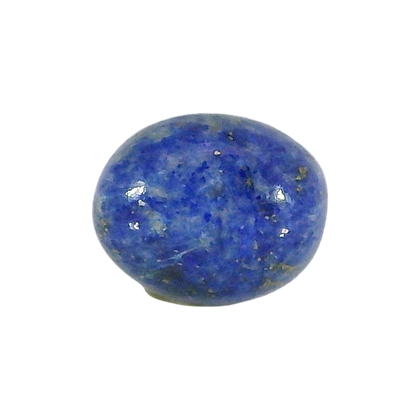
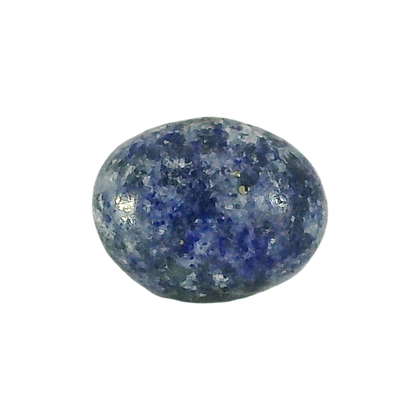
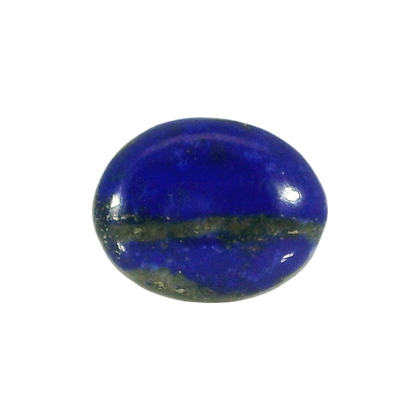
Lapis Lazuli is a deep royal blue stone associated with Saturn (Shani) energy, carrying qualities of wisdom, truth, and inner authority. Its rich, starry blue colour with golden pyrite inclusions has made it one of the most revered stones across ancient civilisations.
It is valued as a Saturn-connected stone that brings depth of insight, honesty, and composed authority — particularly suited for those in leadership, teaching, or spiritual roles.
Who should wear
Lapis Lazuli is often chosen by those seeking clarity, wisdom, and calmer thinking rather than intensity or outward force. Its influence is reflective and grounding, helping thoughts settle into clearer understanding.
Often Suited For
- Writers, teachers, researchers, and thinkers
- Leaders and professionals making important decisions
- Those drawn to reflective or spiritual practices
- Individuals experiencing mental noise, overthinking, or emotional heaviness
- Anyone seeking more patience, truthful expression, and composed judgment
What It Encourages
- Structured and mature thinking
- Honest communication
- Reflection before reaction
- Mental steadiness and inner clarity
- Wisdom balanced with discipline
लाजवर्द मन पर दबाव नहीं बनाता,
यह विचारों को स्थिर होने देता है।
Lapis Lazuli does not force the mind —
it allows understanding to settle naturally.
Benefits
Benefits of Lapis Lazuli
Lapis does not ask to be noticed. It asks to be listened to. Its influence is inward, cumulative, and felt more as a settling than a shift.
Truthful Expression — Encourages honest communication and the inner sincerity that genuine expression requires
Deep Mental Clarity — Helps scattered thoughts settle, sharpen, and deepen into something more coherent and useful
Inner Authority — Builds confidence rooted in genuine understanding, not performance or ego
Disciplined Awareness — Supports responsibility, patience, and the capacity to act from a place of steadiness rather than reaction
Meditative Stillness — Quiets mental noise and creates the inner conditions that reflection and contemplation require
Emotional Balance — Brings calm to overstimulation, restlessness, and the heaviness that prolonged stress can deposit
Pricing & origins
Pricing & Origins
| Origin | Characteristics |
|---|---|
| Badakhshan, Afghanistan | The historic and undisputed benchmark source for fine Lapis Lazuli, prized for deep royal to ultramarine blue colour, minimal calcite, balanced golden pyrite flecks, dense texture, and a calm velvety appearance |
Indicative Price Range
Pricing
₹800 – ₹15,000+/ct
Collector-grade stones with exceptional colour depth, minimal calcite, balanced pyrite distribution, and strong overall integrity may exceed this range.
What Drives Value
| Factor | Importance |
|---|---|
| Ultramarine Blue Depth | The richest and deepest blue tones are the most prized |
| Minimal White Calcite | Less calcite enhances visual depth and purity |
| Balanced Pyrite Flecks | Fine, evenly dispersed pyrite adds elegance without overpowering |
| Dense & Stable Texture | A refined, compact structure improves durability and feel |
| Polish & Surface Quality | Fine polish enhances the stone’s calm, velvety appearance |
Best Setting Recommendations
| Setting Type | Why It Works |
|---|---|
| Pendants & Lockets | Safer for everyday wear with reduced impact exposure |
| Beads | Highlights the stone’s rich colour and natural texture |
| Bezel Settings | Offers better protection than prong settings for regular use |
Important Note
Lapis Lazuli is not valued for brightness or brilliance. Its beauty lies in how deeply and calmly it holds its blue.
Buyer awareness
Lapis Lazuli is widely admired and just as widely imitated, dyed, and misrepresented. Dyed howlite, dyed sodalite, glass composites, and powder-bound synthetic stones are all commonly sold in its place — some convincingly enough to deceive buyers who do not know what distinguishes genuine material.
Colour should be deep royal or ultramarine blue with a natural warmth and variation. Artificially bright or electric blue signals dye. A colour that bleeds or leaves residue when the stone is wiped confirms treatment. True Lapis colour has depth, not just saturation.
Calcite — the white mineral that naturally occurs within Lapis — should be minimal in quality stones. Heavy white patches lower both visual depth and value. Some calcite is natural and expected; dominance of it is not desirable.
Pyrite — the golden flecks — should be fine and evenly dispersed. When balanced, pyrite is one of the stone's most beautiful features. When it dominates or appears in large, uneven clusters, it detracts from the overall quality.
Texture should feel dense and substantial — a solid, grounded presence. Chalky, porous, or crumbly material indicates poor quality. An overly glossy or unnaturally uniform surface often signals resin coating or composite material.
Always ask clearly: Is this stone natural, dyed, or colour-enhanced? A genuine Lapis seller will answer without hesitation. If a stone looks too bright, too perfect, too uniform, or too inexpensive — pause. True Lapis carries character, variation, and a naturalness that imitations cannot fully replicate.
How to verify authenticity: Request an independent lab certificate confirming natural Lapis Lazuli with treatment status clearly stated. Look for dense, substantial feel, natural colour variation, and no blue residue or colour bleeding when wiped. Origin should be disclosed — Afghan Badakhshan remains the benchmark.
Why is some Lapis very cheap? Dyed howlite, dyed sodalite, glass, or reconstituted powder composites — almost always. Quality Lapis with genuine depth, minimal calcite, and balanced pyrite is not a cheap stone. If the price does not reflect that, the material probably does not either.
Care guide
Care & Treatment
Lapis Lazuli is a soft, porous stone and the most delicate in this collection alongside Turquoise and Pearl. Its beauty is best preserved through gentleness — it is not a stone for harsh treatment, only respectful handling.
Do: Wipe gently with a soft, dry cloth after wear. Store separately in a soft pouch or padded box away from moisture and humidity. Wear occasionally rather than continuously for extended periods. Handle it as a stone of depth, not durability.
Avoid: Soaking in water. Perfumes, lotions, oils, chemicals, and detergents. Ultrasonic or steam cleaners. Heat, direct sunlight, and rough wear. Storage alongside harder gemstones.
On ageing: Lapis ages beautifully when handled with care. Its depth is not fragile — but its surface asks for softness. The colour, when protected from chemical contact and moisture, holds with remarkable stability over time.