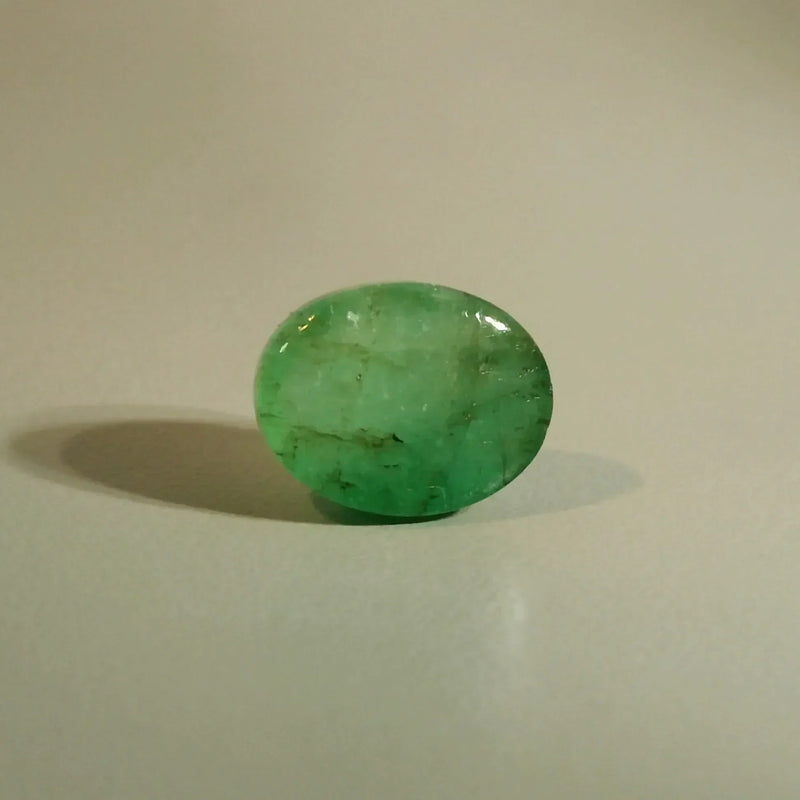

Zamrud: The Emerald of Emperors, Scholars, and Sultans

Across Islamic civilization — from the Mughal darbars of Hindustan, to the Ottoman courts of Istanbul, to the scholarly majlis of Persia — Zamrud (زمرد) held a place of quiet power. This wasn’t a decorative stone. It was a symbol of ilm (knowledge), hikmat (wisdom), and siyasat (statesmanship). Worn by rulers, scribes, qadis, and khatibs — not to show wealth, but to signal depth.
Cultural Presence Across the Islamic World
- Mughals: Used Zamrud engraved with Surah Ikhlas or Ayat al-Kursi in rings, pendants, and courtly gifts. Babur and Akbar\'s collections documented high-carat emeralds sourced from Colombian mines. - Nizams of Hyderabad: Mir Osman Ali Khan famously wore untreated velvet-green Colombian emeralds in his sarpech and tasbeehs. These were also presented to visiting imams and Islamic scholars. - Ottomans: The Zümrüt was embedded in hilal-shaped battle pendants, Quran cases, and ceremonial swords. - Persian scholars: Believed Zamrud aligned with عطارد (Mercury) and aided in bayan, decision-making, and firasat. - Arab world: Recognized زمرد as a gem of protection — often worn by judges, teachers, and reciters of the Qur’an.
Why It Was Worn
- To strengthen speech (bayan) and public presence - To protect against nazar and emotional imbalance - To support clarity in judgement, especially in leadership or da’wah - To reflect restraint and humility, not flash Often worn in silver, on the little finger, with or without inscriptions.
Buy Untreated, Certified Zamrud at PreciousCarats.com
- Sourced from Zambia, Brazil, and Colombia - Only lab-certified, natural, untreated emeralds - No resins, no fillers, no games - Transparent pricing, respectful presentation Explore now: www.PreciousCarats.com
Related Articles